

The Training Model
Church planting in the Pacific Northwest requires deep roots and long-term commitment. That's why our training model keeps men in the region throughout their seminary years, pairs theological education with hands-on ministry experience, and emphasizes character formation over mere competency development.
We're not producing generic ministry technicians. We're forming pastors who can lead Reformed churches that engage culture—men equipped to help their congregations think biblically about work, family, citizenship, art, and every dimension of life.
Our Training Philosophy

Theological Depth
Excellence in biblical and theological understanding
is non-negotiable. We partner with quality
distance seminary
programs to ensure
rigorous academic
formation.

Cultural Engagement
Ministry in the
post-Christian Northwest requires cultural awareness and engagement skills. We train men to understand contemporary challenges and bring gospel
wisdom to bear.

Character Formation
Technical competency matters, but character is foundational. Our Prophet/Priest/King framework emphasizes the kind of pastoral identity
that sustains long-term faithfulness.

Local Church Partnership
The primary context for pastoral formation is the local church. Seminary provides knowledge; the church provides the laboratory for practicing ministry under wise
oversight.

Regional Rootedness
Keeping men in the Northwest throughout training ensures they
develop relationships, understand
the culture, and commit to staying long-term.
Three Components of Formation

Distance Seminary
Rather than sending future planters away for 3-4 years of seminary, we encourage distance education programs to provide excellent theological training while keeping men rooted in local Northwest churches.
This approach ensures that seminarians:
Maintain family stability and relationships
Develop deep knowledge of the regional context
Practice ministry week-in, week-out in local churches
Build networks that will support their future plants
Avoid the common problem of leaving and never returning

Regional Training
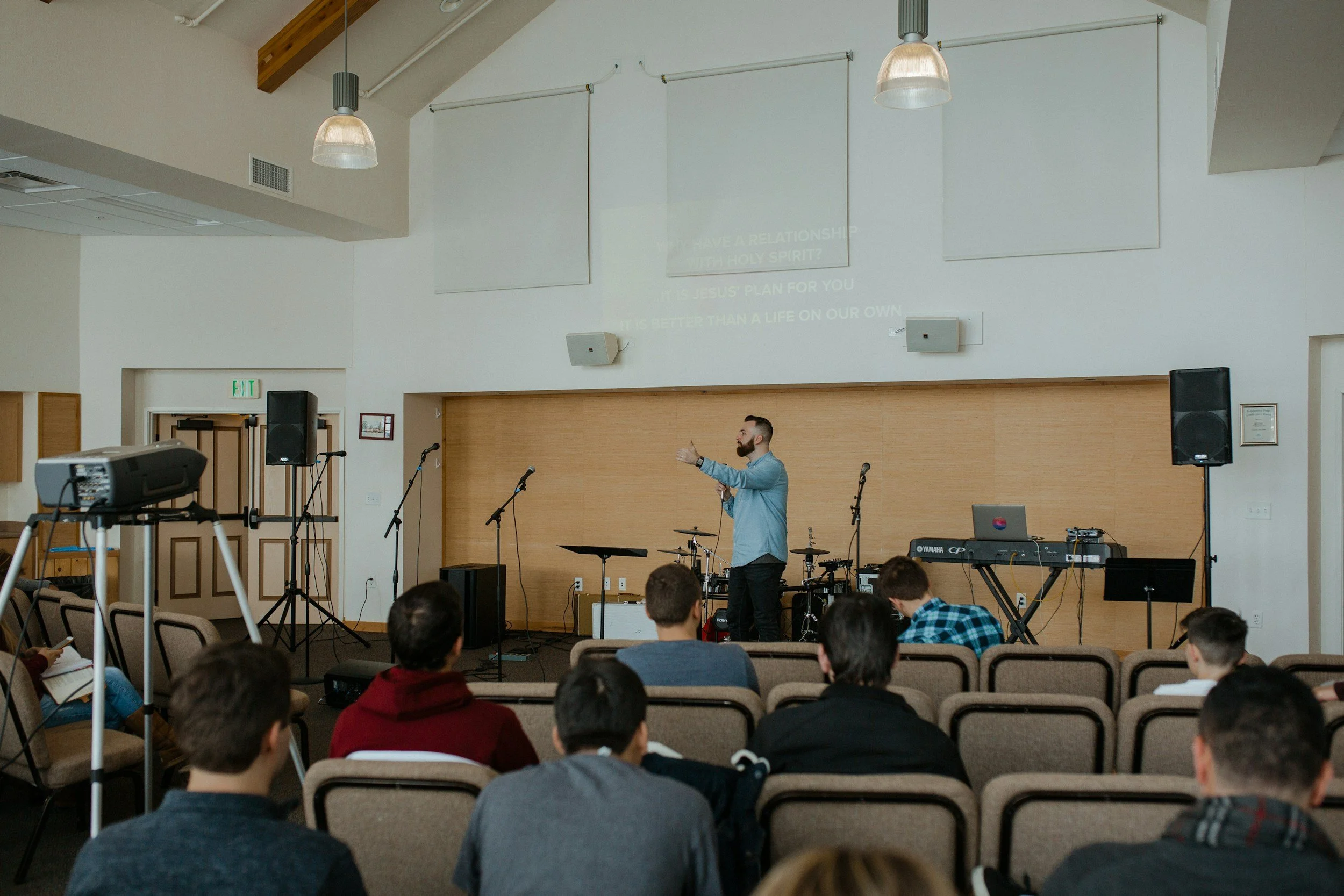
Beginning Fall 2026, we're establishing training hubs across our four-state region. Seminary students will gather regularly for:
Quarterly Regional Gatherings
Intensive teaching on church planting, Reformed theology, and pastoral ministry
Practicum sessions applying classroom learning to ministry contexts
Peer fellowship and accountability
Coaching from regional directors
Annual All-Network Gathering
All seminary students, interns, and planters together
Vision-casting and strategic teaching
Community building across the network
Special guest speakers and workshops
Residencies
The primary context for pastoral formation is the local church. Each seminary student serves in a church residency, receiving week-in, week-out oversight from experienced pastors.
Your residency church will:
Provide hands-on ministry experience across pastoral responsibilities
Offer regular feedback and coaching
Model healthy church leadership
Help you develop ministry skills in real contexts
Assess your readiness for church planting
The network coordinates training content and regional gatherings, but the local church provides the relational foundation for ministry formation. This partnership ensures you're not just learning about ministry—you're practicing it under wise supervision.
Prophet, Priest, King Formation
Our character formation model is built around Christ's threefold office. Every dimension of pastoral ministry flows from these three roles:
-
Formation in this dimension includes:
Biblical interpretation and exposition
Doctrinal understanding and defense
Apologetics and cultural engagement
Preaching skills and communication
Character Development:
Truth-telling courage, theological depth, intellectual rigor, clarity in communication, conviction without compromise
Why It Matters for Cultural Reformation:
Reformed churches that engage culture must be grounded in Scripture's comprehensive claims. Prophetic ministry connects biblical truth to every area of life, helping Christians think biblically about contemporary challenges.
-
Formation in this dimension includes:
Sacramental theology and practice
Corporate worship leadership
Prayer and spiritual disciplines
Liturgical understanding
Pastoral presence
Character Development:
Spiritual vitality, worship authenticity, intercessory heart, humility before God, reverence and joy
Why It Matters for Cultural Reformation:
Worship shapes worldview. Churches that lead their people into rich, biblical worship form Christians who see all of life as worship. The beauty and order of Reformed liturgy witnesses to God's character and creates cultural imagination.
-
Formation in this dimension includes:
Pastoral care and counseling
Leadership and vision-casting
Church governance and administration
Cultural engagement and wisdom
Equipping Christians for vocational faithfulness
Character Development:
Wise decision-making, humble authority, patient endurance, cultural discernment, long-term thinking
Why It Matters for Cultural Reformation:
The "King" dimension of pastoral ministry is especially important in our cultural moment. Pastors must help Christians think biblically about their work, their citizenship, their family lives, their artistic and intellectual pursuits. This requires wisdom that connects Scripture to contemporary challenges—training Christians to exercise Christ's lordship in every sphere.
Forming
a Faithful Witness
Our training doesn't just prepare men to preach sermons and visit the sick—though those are essential. We're forming pastors who can help their congregations think Christianly about work, art, education, politics, economics, and every other dimension of cultural life.
This means:
Deep engagement with Scripture's comprehensive claims
Understanding Reformed theology's cultural implications
Reading widely and thinking critically about contemporary cultural challenges
Learning from historic Reformed cultural engagement
Equipping Christians for vocational faithfulness across all spheres of life
The goal isn't political activism or culture war posturing. It's patient, faithful witness in every sphere of life—the kind of comprehensive Christianity that has marked Reformed churches at their best.